
JavaScript: From Basics to Advanced – Practice Quiz Collection
# Understand JavaScript, from your first script to its deepest mechanics Build a reliable mental model of JavaScript through focused questions, small code examples, debugging…
Overview & Study Guide
Understand JavaScript, from your first script to its deepest mechanics
Build a reliable mental model of JavaScript through focused questions, small code examples, debugging decisions and explanations that show why an answer works. Start with no prior JavaScript knowledge and progress toward advanced language reasoning and practical browser and Node.js development.
A comprehensive learning outline
The planned curriculum contains 30 chapters and 240 focused microlearnings. Each microlearning has its own practice questionset, with a question count chosen for the concept rather than a fixed quota. New chapters are added progressively; the outline contains the chapters available so far.
-
Foundations: runtimes, syntax, variables, expressions, control flow, types, coercion, equality, numbers, strings and Unicode.
-
Functions and scope: calls, parameters, callbacks, recursion, lexical scope, hoisting, the temporal dead zone, closures and functional composition.
-
The object model: object creation, factories, references, property descriptors, getters and setters, copying, immutability, this, constructors, prototypes, proto and classes.
-
Data and program structure: arrays, Map and Set, weak collections, iterators, generators, regular expressions, dates, internationalization, JSON, modules and error handling.
-
Asynchronous JavaScript: callbacks, promises, async/await, concurrency, cancellation, stale results, the event loop, microtasks, rendering and Node-specific scheduling.
-
Beyond the language core: Symbols, reflection, proxies, memory, the DOM, browser events, network requests, storage, Node.js, testing, debugging, performance, security, binary data, workers and shared memory.
-
Putting it together: state ownership, API design, resource lifetimes, integrated diagnostic challenges and informed decisions about newer language features.
Learn the rule, understand the mistake, choose the repair
At least half of the questions in each microlearning are hands-on coding exercises with starter code and sample tests. The remaining practice includes conceptual questions, short program traces, comparisons, realistic bug diagnosis and design choices. Explanations connect the governing rule to its practical consequence and address common mistaken assumptions. Questions stand alone, so you can revisit a topic without relying on a previous answer.
Particular care is given to JavaScript's nuances: const and object mutation; own versus inherited properties; a function's prototype property versus an object's prototype link; the different meanings of proto; class-field initialization; lexical versus call-site this; binding creation versus initialization; and promise settlement versus scheduling.
Choose your route
Beginners can follow the numbered chapters in order. Developers with experience can jump to a weak area, use the diagnostic questions and return to the prerequisite concepts when needed. Browser, Node.js, script and module contexts are identified when they affect the answer; runtime-specific behavior is not presented as a universal language rule.
Language: English. Access: free, public practice. Format: chapter QuizBooks with focused microlearning questionsets. The curriculum is an original synthesis informed by established books, course outlines and technical documentation; questions and examples are newly authored.
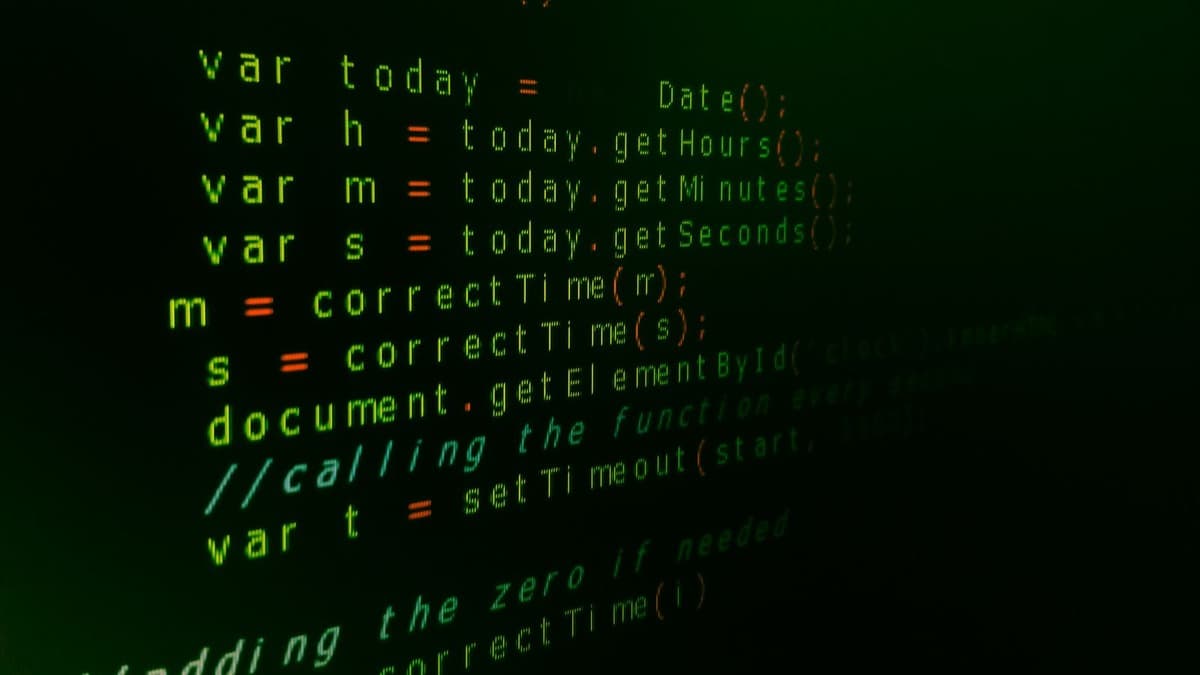
Cover photograph: Jorge Jesus / Pexels, used under the Pexels License.