
05. Body membranes fascia and tissue organization – Practice Quiz
11/1/2026
📚 Subject
human biology
🎓 Exams
General practice
🗣 Language
English
🎯 Mode
Practice
🚀 Taken
0 times
Verified:
No. of Questions
25
Availability
Free
📄 Overview & Study Guide
Body Membranes, Fascia, and Tissue Organization: Epithelial-Connective Interfaces
Organs and organ systems are physically integrated and compartmentalized by specialized membranes and fascial planes. This questionset explores the architectural rules governing tissue interfaces, covering membranes, stroma, and specialized cellular junctions.
Key Learning Areas
- Epithelial membranes: mucous (mucosa and lamina propria), cutaneous (skin), and serous membranes (mesothelium, parietal vs. visceral layers, and serous transudate).
- Synovial membranes: non-epithelial joint capsule linings, Type A macrophagic synoviocytes, Type B fibroblastic synoviocytes, and synovial fluid synthesis.
- Fascial organization: superficial fascia (hypodermis) and deep investing fascia, fascial compartments, intermuscular septa, and retinacula.
- Functional architecture: distinguishing the organ parenchyma (functional epithelial/muscular units) from stroma (connective tissue scaffold and vascular supply).
- The basement membrane: basal lamina (lamina lucida, lamina densa: Type IV collagen, laminin, perlecan) and reticular lamina (Type III collagen and Type VII anchoring fibrils).
- Specialized tissue interfaces: dermal-epidermal junction hemidesmosomes, myotendinous junctions, and mucocutaneous transitions.
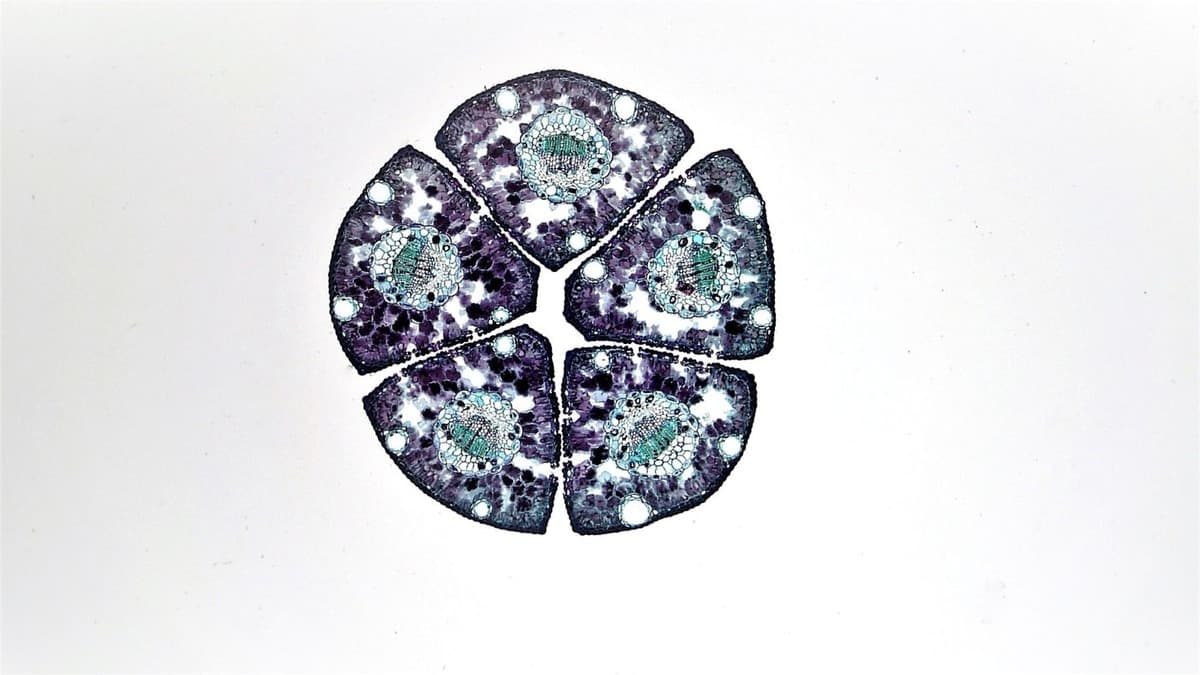
Cover image credit: Photo by Fayette Reynolds M.S. on Pexels.
🏷 Tags
#hb-04-05#human biology#histology#body-membranes#fascia
Timing
Results sharing
Practice options
Try a quiz as a guest. Sign in to finish and see your results.